
Erythroxylum novogranatense Seeds
Erythroxylum novogranatense (Colombian Coca or Trujillo Coca) is one of the two primary cultivated species of the genus Erythroxylum, belonging to the family Erythroxylaceae. Native to the drier inter-Andean valleys of South America, this perennial shrub has played a profound role in Andean cultures for millennia, primarily as a mild stimulant to combat hunger, fatigue, and altitude sickness
While famously known for producing the tropane alkaloid cocaine , the plant is also a source of diverse other bioactive compounds, including flavonoids, terpenes, and non-narcotic alkaloids . E. novogranatense is notable for its adaptability to varying ecological conditions, including lower altitudes and drier climates than its relative, E. coca
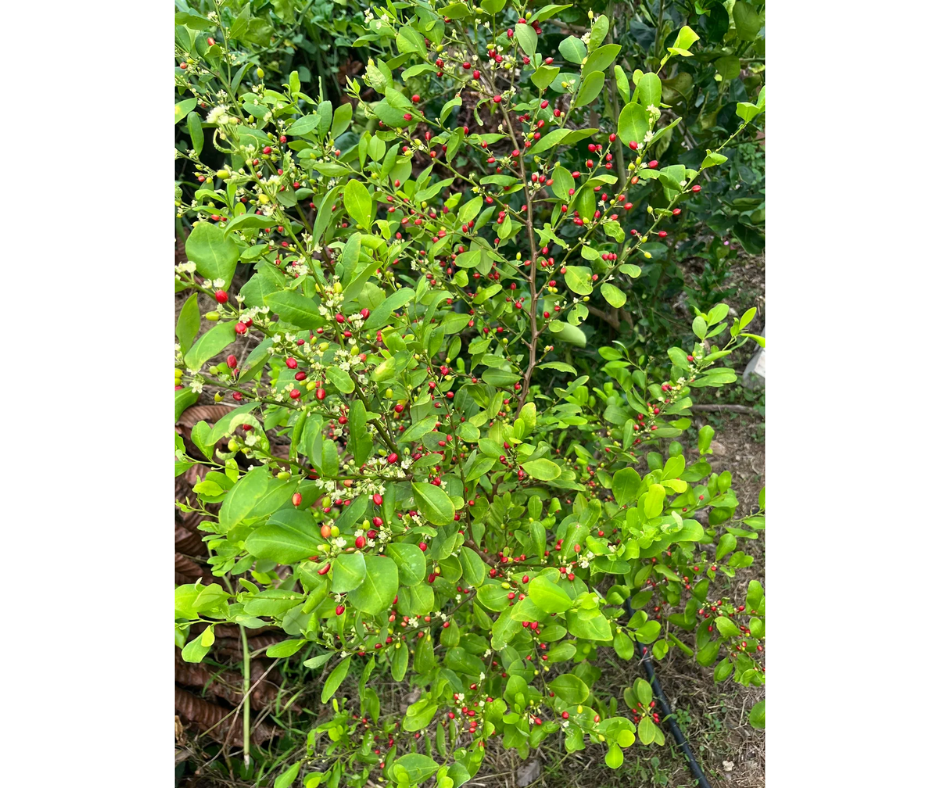
E. novogranatense comprises two recognized varieties, which differ subtly in morphology and geographical preference:4
The leaves of E. novogranatense are the primary site of alkaloid accumulation.7 Cocaine is the dominant tropane alkaloid, with content generally ranging from $0.42\%$ to $1.02\%$ of the dry leaf weight, though variations exist based on cultivation practices and environment (Source 1.1, 2.4). The biosynthesis of these compounds is a major focus of modern research, which aims to understand the specialized metabolic pathways unique to the Erythroxylaceae family
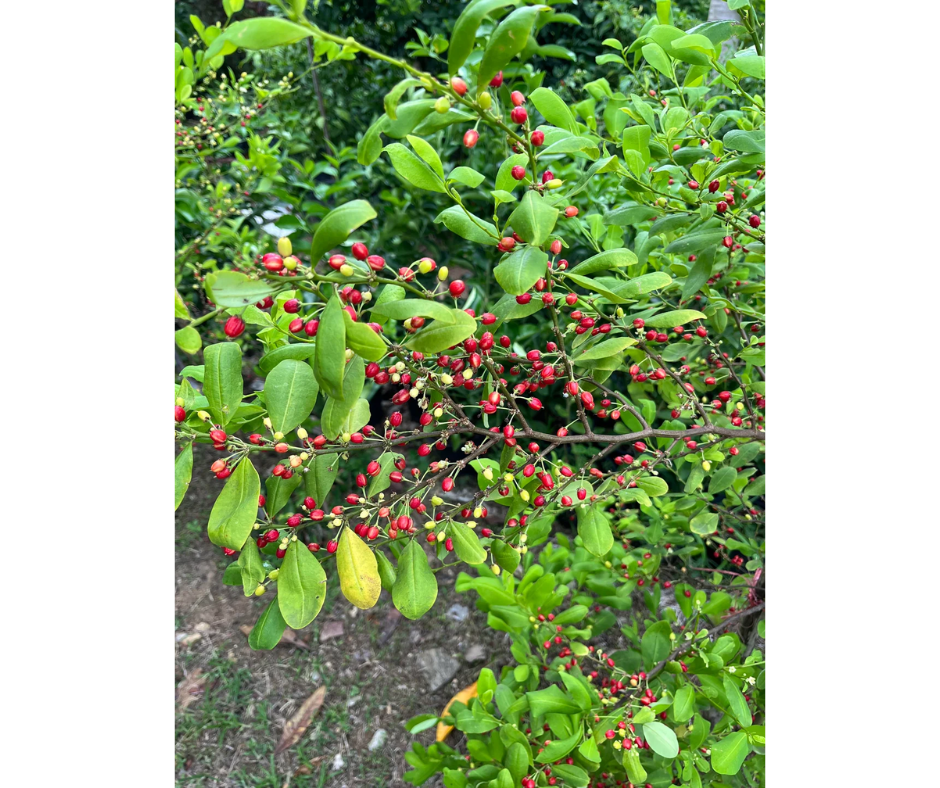
For researchers interested in germplasm conservation and propagation, the seeds of Erythroxylum novogranatense present a significant challenge due to their recalcitrant nature.
The fruit of E. novogranatense is a small, bright red drupe containing a single seed.8 Recalcitrant seeds, by definition, do not tolerate desiccation (drying) and are unable to survive long-term storage in traditional seed banks (Source 2.7).
Due to poor seed viability, vegetative propagation methods like cuttings are commonly employed for certain coca varieties, particularly E. coca var. ipadu, though E. novogranatense is generally less easily rooted (Source 2.1). Tissue culture techniques, such as inducing shoot proliferation from excised embryos, are also being explored for rapid multiplication and genetic preservation.
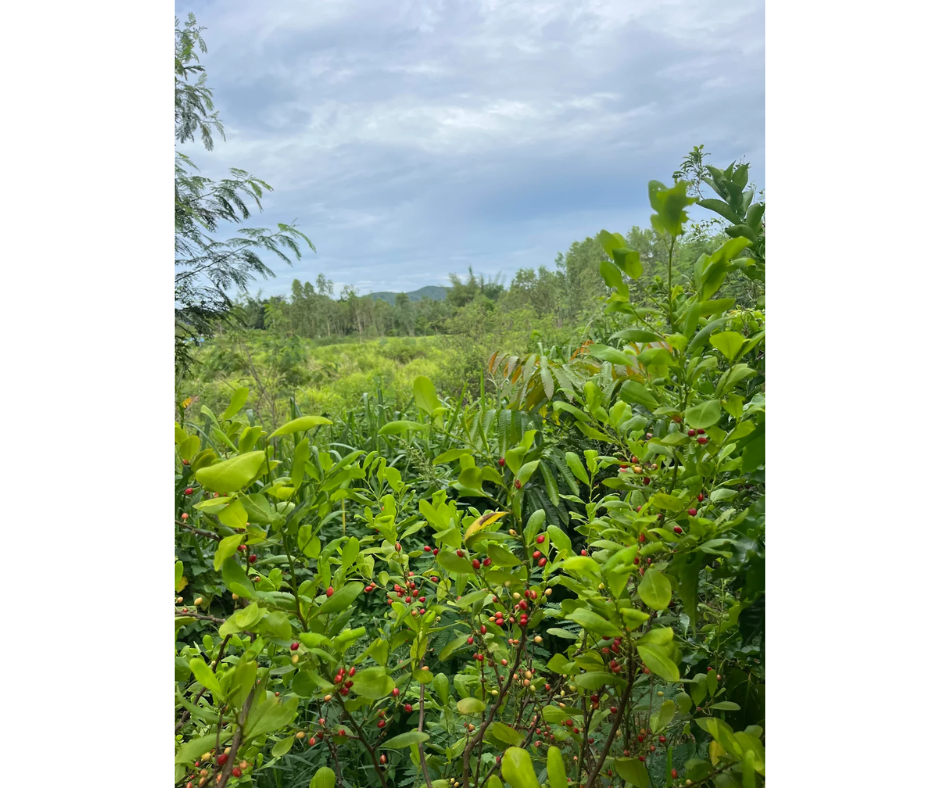
Recent advances in sequencing technology have provided critical insights into the genetics of this species, facilitating new research avenues.
Complete genome sequences for Erythroxylum novogranatense var. truxillense have been published (Source 3.1, 3.3). These genomic resources are indispensable for:
A growing area of research focuses on leveraging the plant’s metabolic potential to produce beneficial non-cocaine compounds. Genome-scale metabolic reconstructions are being used to map out pathways for secondary metabolites like flavonoids and terpenes, which have documented antioxidant, anti-inflammatory, and antimicrobial properties. This research aims to develop future biotechnological applications beyond the narcotic use .
Erythroxylum novogranatense remains a plant of immense scientific and cultural significance. Research continues to unravel the complexities of its alkaloid biosynthesis, genetic background, and potential therapeutic uses. For researchers, understanding the constraints imposed by its recalcitrant seed and utilizing modern genomic tools will be key to unlocking the full potential of this unique cultigen.
Erythroxylum novogranatense alkaloid
Coca seed viability
Plant Terminology:
Erythroxylum novogranatense var. novogranatense (or var. truxillense)
Colombian coca (common name)
Trujillo coca (another common name)
Erythroxylum species
Erythroxylaceae family
Seed & Propagation Terms (Critical for your focus):
Recalcitrant seeds
Seed viability (or low seed viability)
Germination protocol
Seed propagation techniques
Seed storage challenges
Chemistry/Botany Terms:
Tropane alkaloids
Methyl salicylate
Alkaloid content
Andean cultigen
How to germinate Erythroxylum novogranatense seeds
What is the seed viability of Erythroxylum novogranatense?
Best methods for storing Erythroxylum novogranatense seeds
Erythroxylum novogranatense growing conditions (or cultivation guide)
How to distinguish E. novogranatense from E. coca



2 Responses
wish you all the best
wish you best and best