
Forget everything you think you know about the Coca Plant. The legendary shrub of the Andes is not just one story—it’s two. While most attention falls on Erythroxylum coca, the true industrial workhorse, the adaptable survivor that literally flavored global commerce, is Erythroxylum novogranatense.
Dubbed Colombian Coca or Trujillo Coca, this species boasts a resilience, a tolerance for high temperatures and dry soil, and a unique aromatic profile that set it apart. Mastering Erythroxylum novogranatense Cultivation isn’t just gardening; it’s engaging with a plant that has shaped economic and culinary history.
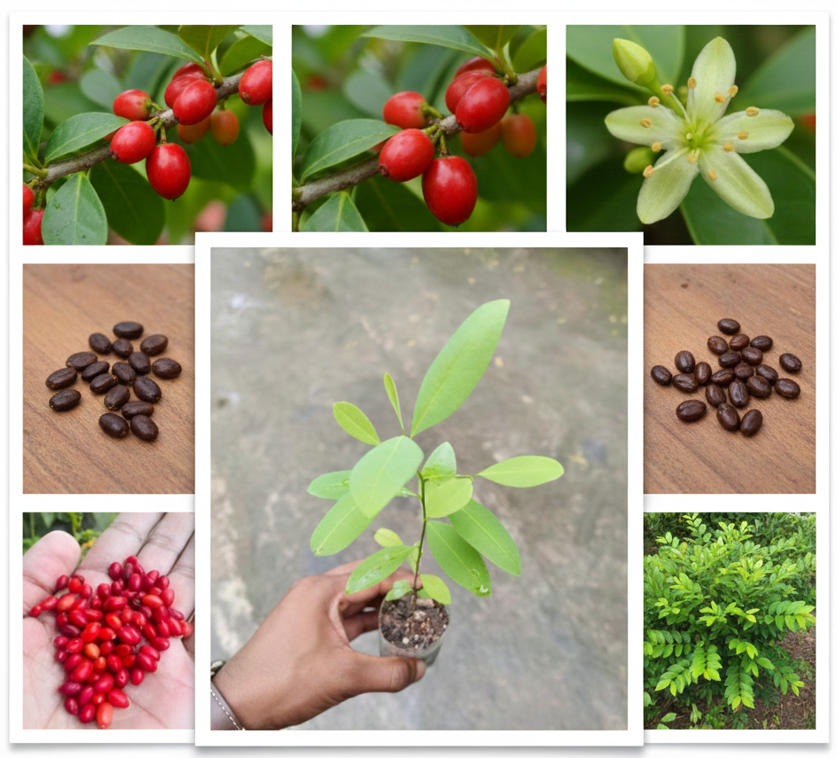
Imagine a plant thriving where its cousins fail. E. novogranatense laughs in the face of drought and shrugs off soil acidity issues that kill other tropical varieties. This isn’t merely an academic difference—it’s a foundational one for successful cultivation.
| Feature | E. novogranatense (The Adaptable Survivor) | E. coca (The Rainforest Demander) |
| Drought Tolerance | High. Can withstand drier spells; adaptable to semi-arid zones. | Low. Requires consistent, high moisture and perpetual humidity. |
| Ideal Soil pH | Flexible. Thrives near-neutral (up to pH 6.0-7.0). | Demanding. Requires highly acidic soil (pH 3.5-6.0). |
| Leaf Profile | Smaller, tougher leaves; unique aromatic compounds (cinnamoylcocaine). | Larger, thinner leaves; higher total cocaine alkaloid concentration. |
The Shocking Truth: This incredible adaptability made it the variety of choice for large-scale, commercial leaf production in drier regions, providing the necessary aromatic base for some of the world’s most famous beverages (after de-alkaloidization, of course).
To achieve professional-level results and maximize leaf production, you must reject common myths and adhere strictly to this specialized blueprint.
Most growers fail here, treating it like a typical acid-loving tropical. Don’t make that mistake!
Because it tolerates dry conditions, you must err on the side of caution.
Starting E. novogranatense is challenging. Its seeds are notorious for short viability, meaning timing is everything.
For rapid establishment, stem cuttings are preferred. Take semi-hardwood pieces, coat them liberally in a powerful rooting hormone, and establish them in a high-humidity, warm environment with bottom heat.
Once established, focus on generating high-quality leaf material through proper nutrition and shaping.
By treating Erythroxylum novogranatense as the unique, drought-tolerant subtropical survivor it is—and not a generic tropical shrub—you unlock the potential for stunning growth. This plant is a living piece of history, demanding respect, precision, and adherence to its specific survival codes. Master these principles, and you will achieve your cultivation goals.
Erythroxylum novogranatense Cultivation (Focus Keyword)
Trujillo Coca growing guide
How to grow Erythroxylum novogranatense
Erythroxylum novogranatense care
Drought-tolerant coca variety
Colombian Coca plant
Erythroxylum species comparison
Optimal soil for Coca plant
Coca leaf production commercial
Growing coca in non-tropical climate
Erythroxylum novogranatense temperature requirements
How to germinate Erythroxylum novogranatense seeds
Erythroxylum novogranatense vs Erythroxylum coca
Best fertilizer for Coca plant
Preventing root rot in drought-tolerant plants
Forgotten History of Coca
Global Commerce Plant
Subtropical Plant Care
Planting Seeds for Beginners
Rare Plant Cultivation